
Navigating the ever-changing landscape of Search Engine Results Page (SERP) volatility is crucial for sustaining keyword rankings and driving organic traffic. As experienced SEO professionals with over 15 years of combined expertise, we present a comprehensive guide to combat SERP volatility and optimise your content with confidence. In this article, we will delve into the fundamentals of SERP volatility, explore common triggers, and unveil effective strategies to maintain your keyword rankings amidst the dynamic world of SEO.
Understanding SERP Volatility in SEO
SERP volatility is a natural phenomenon in the competitive world of SEO, characterised by extreme fluctuations in keyword rankings. Similar to stock market volatility, SERPs can change rapidly, impacting both positive and negative ranking directions within a single day. However, rather than panicking, it is essential to embrace SERP volatility as a normal part of the SEO landscape.
Impact of SERP Volatility on SEO Performance
Whilst minor keyword ranking fluctuations may not significantly affect SEO Key Performance Indicators (KPIs), sustained losses in revenue-driving keywords can disrupt your business objectives. Diminished rankings lead to reduced organic traffic, resulting in lower clicks, conversions, and ultimately, fewer leads and sales. The importance of stabilising keyword rankings for long-term SEO success cannot be underestimated.
Strategies to Combat SERP Volatility and Maintain Keyword Rankings
Addressing Mixed Search Intent and SERP Variety
Mixed or vague search intent can trigger SERP volatility, leading to diverse content types appearing for a particular keyword. To combat this issue, let’s consider an example in the world of travel and tourism.
Suppose you run a travel blog that covers various destinations and provides travel tips. One of your popular articles is about “solo travel tips.” When users search for “solo travel” on search engines, the SERP shows a mix of results with different search intentions.
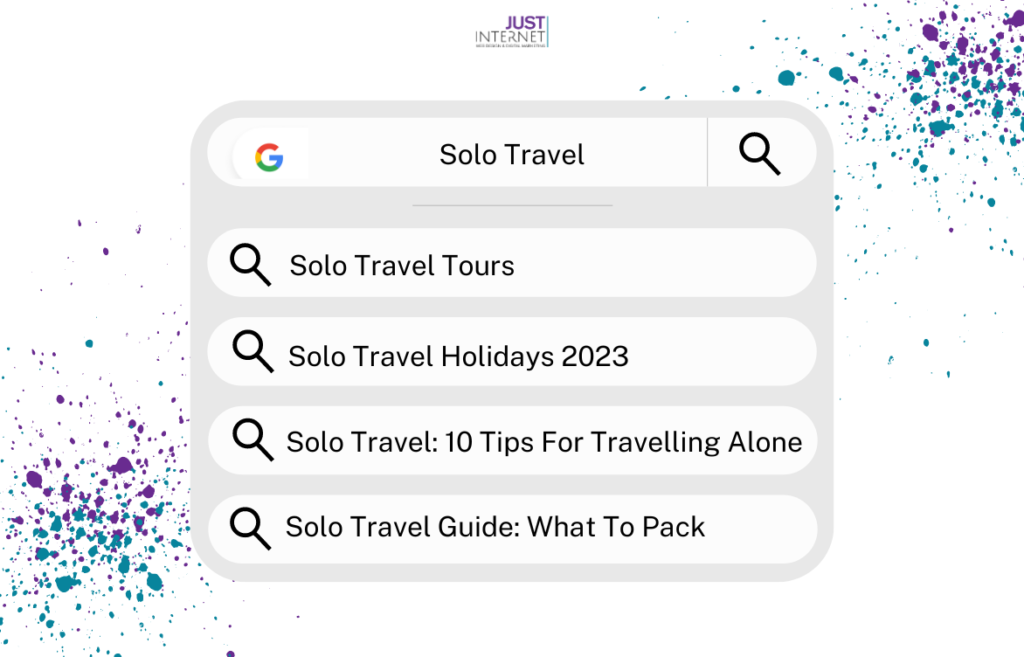
As shown by our Google search, there are different intentions for different search terms. When users search for specific phrases like “solo travel tours,” they usually have a transactional intent. This means they are actively looking to make a purchase or actually book a holiday. On the other hand, when users search for more general terms like “travel tips,” their intent is informational, and they are seeking valuable information and advice on travel rather than looking to make an immediate purchase.
Make sure to tailor the nature of your content writing to the correct audience to avoid mixed user intent.
Handling High Keyword Difficulty and Market Competition
Keyword difficulty arises due to intense competition among millions of websites vying for top spots in SERPs. To address this, consider targeting lower difficulty keywords that align with your content strategy. Utilise tools like Moz’s Keyword Explorer, Semrush or Ahrefs to compare search volume and difficulty for better keyword selection. Additionally, monitor competitors’ content and create unique, high-value content to build topical authority and improve rankings.
Tackling Trending Topics
Trending topics can disrupt keyword focus and cannibalise the intent of a particular term. Evaluate whether it’s worth shifting focus to trending topics or investing in long-tail keywords to retain relevance and drive targeted traffic. Focus on creating valuable content for a specific audience to boost Click-Through Rates (CTR) and conversions.
Addressing Technical Issues and Indexing Problems
Technical SEO challenges, such as indexing issues, can impact keyword rankings. Conduct regular audits using tools like Google Search Console (GSC) or Moz Pro’s Site Crawl to identify improper indexing. Work with your developers to rectify technical glitches, such as site migration errors, to improve SERP performance.
Understanding Google A/B Testing SERPs
Google periodically conducts A/B testing on SERPs to provide users with the most relevant information. Monitor ranking fluctuations over time and optimise your content to regain authority for appropriate terms. However, be cautious not to overreact to minor impacts, and track analytics data to assess the User Experience (UX) impact.
Dealing with Algorithm Changes or Penalties
Algorithm updates can significantly affect SERP volatility. Stay informed about updates and identify specific features impacting your site. Address technical problems that may affect site speed, topical authority, or inbound links. Rectify issues to recover from penalties and drive keyword rankings.
Avoiding Content Cannibalisation
Content cannibalisation occurs when multiple pages target the same keyword, leading to uncertain ranking outcomes. Utilise a keyword map to organise and connect pages around an umbrella topic. Avoid creating duplicate content and ensure each page has a unique focus for improved rankings.
Final Thoughts…
Mastering SERP volatility is a continuous process in the world of SEO. By analysing data, understanding user intent, and implementing appropriate optimizations, you can maintain crucial keyword rankings and ensure consistent organic traffic. Embrace the dynamic nature of SEO Wigan from a company that can, plan effectively, and confidently plow full steam ahead toward sustainable business growth. Remember, keyword rankings are the cornerstone of strong SEO performance and revenue generation.